
The 5 Best AI Chatbots for Ecommerce in 2026
Which chatbot should you use to manage customers on your Ecommerce site?
Chatbots are not exactly forms but they serve a similar purpose - providing a customer interaction point with your company. The key difference between the two is that chatbots can provide instant feedback and information whereas forms are often a one way street.
In both cases it is critical that you take time to optimize the user experience or you’ll be unnecessarily causing journey abandonment and throwing away customers.
AI has completely changed the game for chatbots. The latest generation can answer detailed product questions, recommend products, recover abandoned baskets, qualify leads, and even help customers complete purchases. As AI agents become more capable, they're becoming a key part of how people shop online.
But not all ecommerce chatbots are created equal. Some focus on support, others on sales, while the most advanced combine both into a genuinely conversational shopping experience.
Many Zuko clients use the tool to optimize their checkouts so we know they understand the importance of customer experience. That’s why we’ve pulled together this list of the best AI-driven chatbots for ecommerce.
1. ELX – Best Overall AI Chatbot for Ecommerce
Best for: Retailers looking for an AI shopping assistant that combines customer support, product discovery and sales.
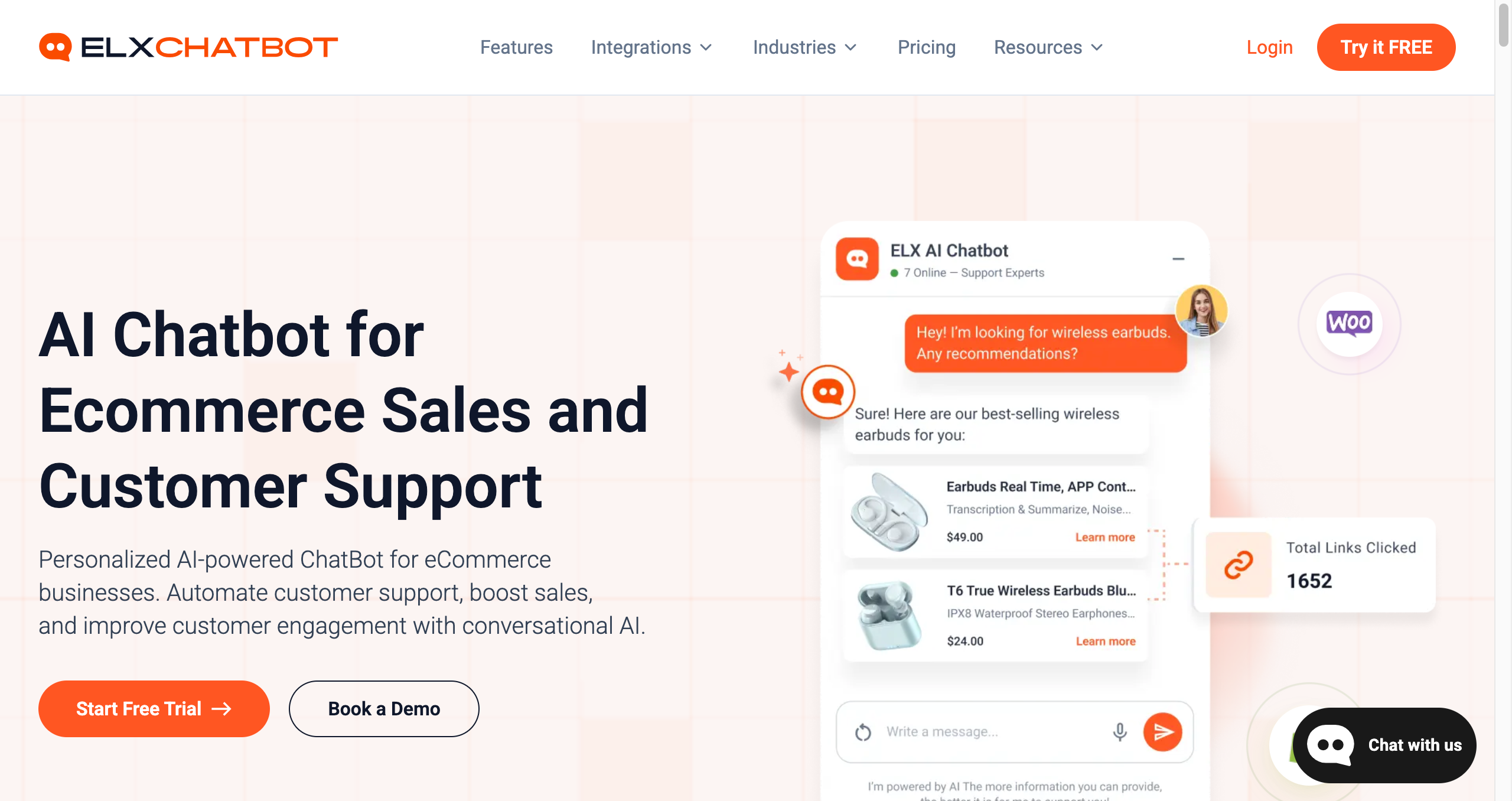
ELX has built its platform specifically around creating high-quality conversational shopping experiences. Rather than acting as a static support bot, ELX is designed to understand customer intent, answer nuanced questions and guide shoppers towards the right products.
One of its strengths is the ease with which businesses can create specialised assistants trained on their own content. Whether customers are asking about sizing, delivery, returns or product recommendations, the responses feel natural and contextual rather than scripted.
For ecommerce brands, that means fewer support tickets, better customer engagement and more opportunities to convert visitors into customers. We know the power of ELX chatbot ourselves. We tested it out and loved it so much we decided to install it on our own website and app.
Key features
- AI-powered conversational shopping assistant
- Product recommendations based on customer needs
- Knowledge-base and website training
- Customisable branding and behaviour
- Lead capture and customer support automation
- Continuous improvement through AI learning
- Human handoff / Live Chat
- Social Media and Site Search Integration
2. Intercom Fin
Best for: Larger ecommerce businesses with established customer support operations.
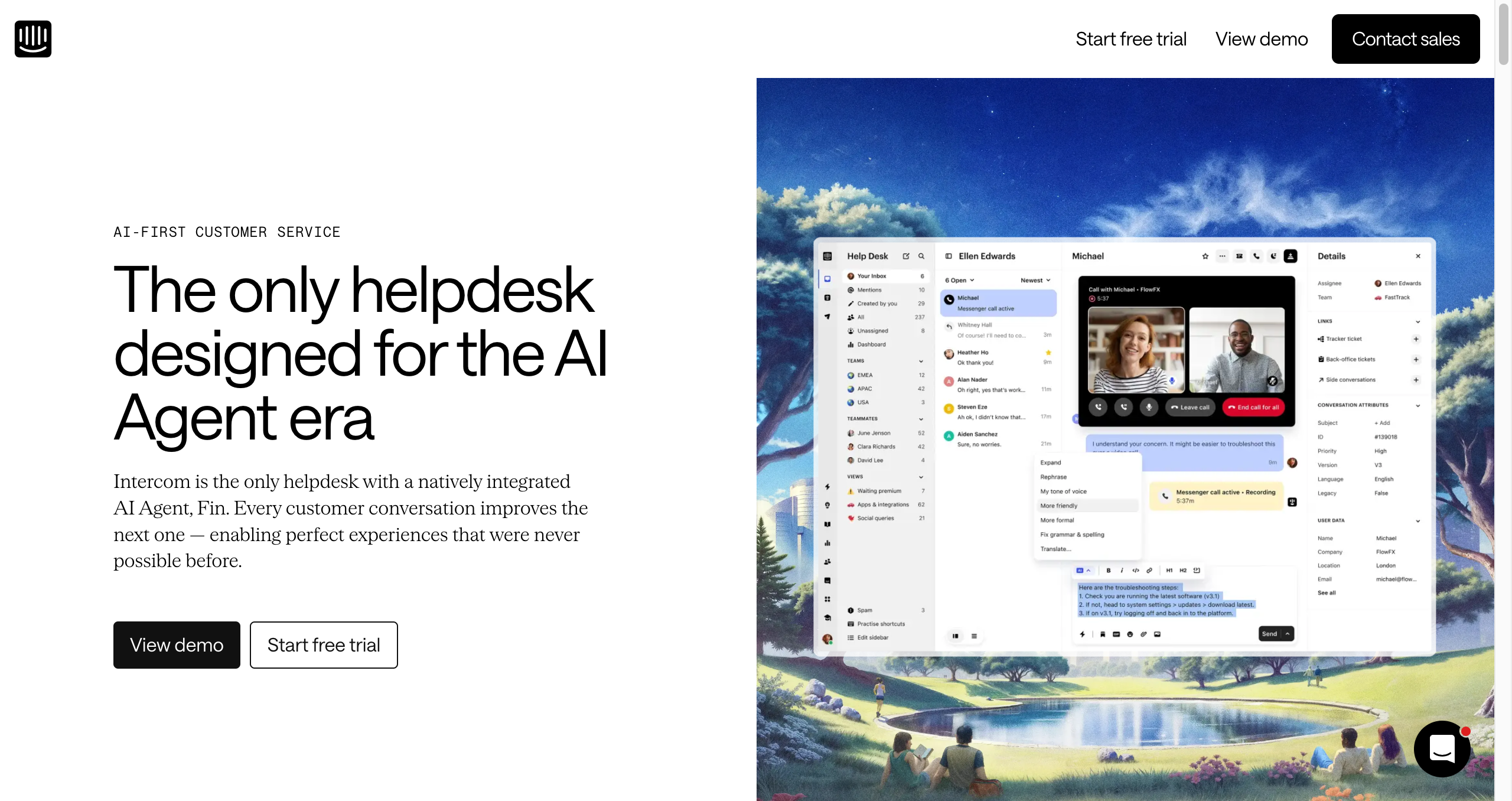
Intercom Fin is built around AI customer service rather than pure ecommerce, but it's become increasingly capable at handling common retail support queries.
Its biggest strength is integrating seamlessly with existing support workflows, allowing AI to resolve routine questions before escalating more complex issues to human agents.
For businesses already using Intercom, Fin is an obvious option.
Key features
- AI customer support
- Human handoff
- Help centre integration
- Omnichannel conversations
3. Gorgias AI Agent
Best for: Shopify merchants wanting AI-powered customer support.
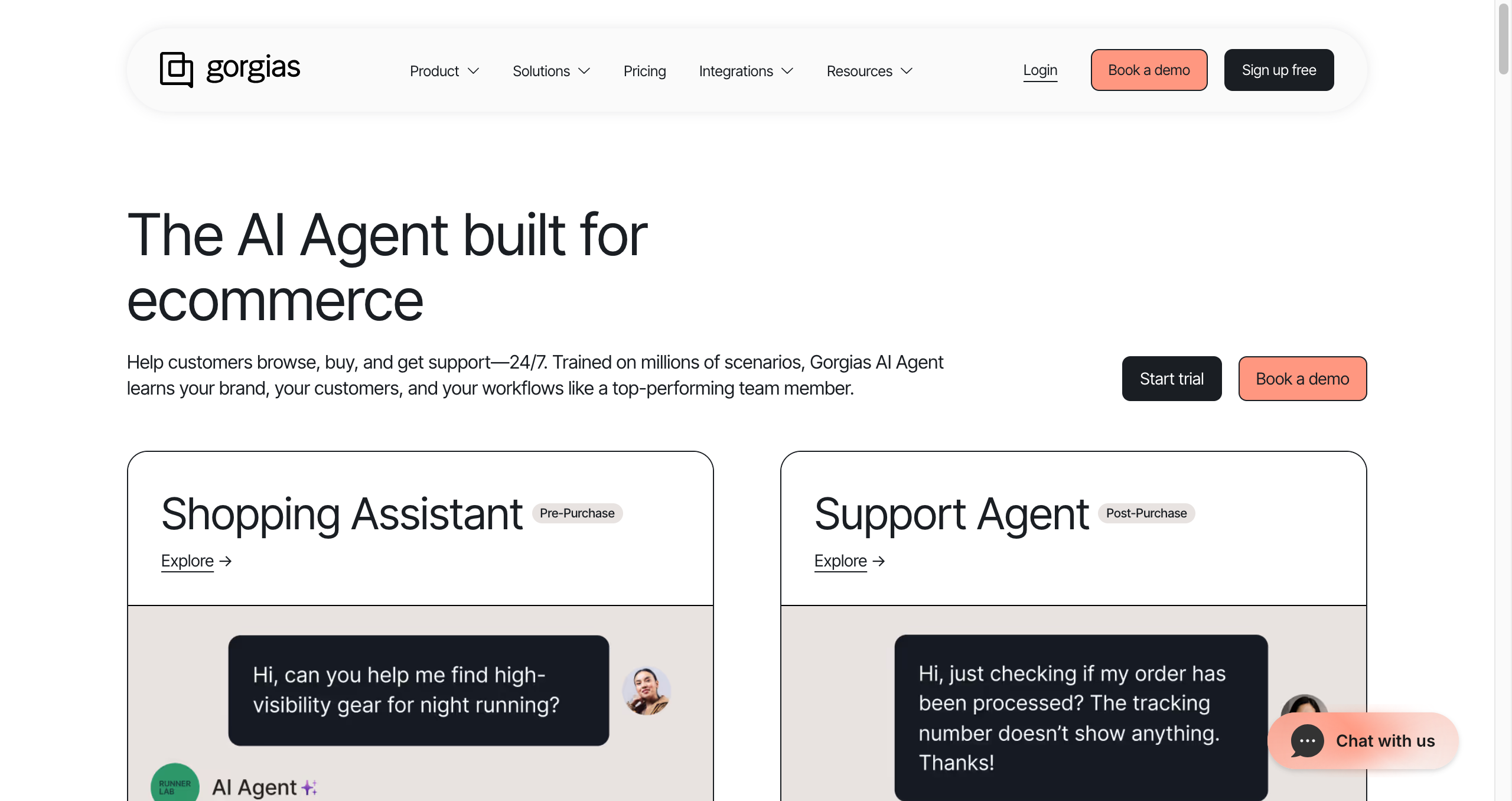
Gorgias has long been one of the leading ecommerce helpdesk platforms, and its AI Agent builds on that heritage.
It excels at answering common customer questions, tracking orders, managing returns and integrating with ecommerce platforms like Shopify.
Brands already invested in Gorgias will appreciate the tight integration with their support operations.
Key features
- Shopify integration
- Order management
- AI customer support
- Automated ticket handling
4. Tidio (Lyro AI)
Best for: Small and medium-sized ecommerce stores.
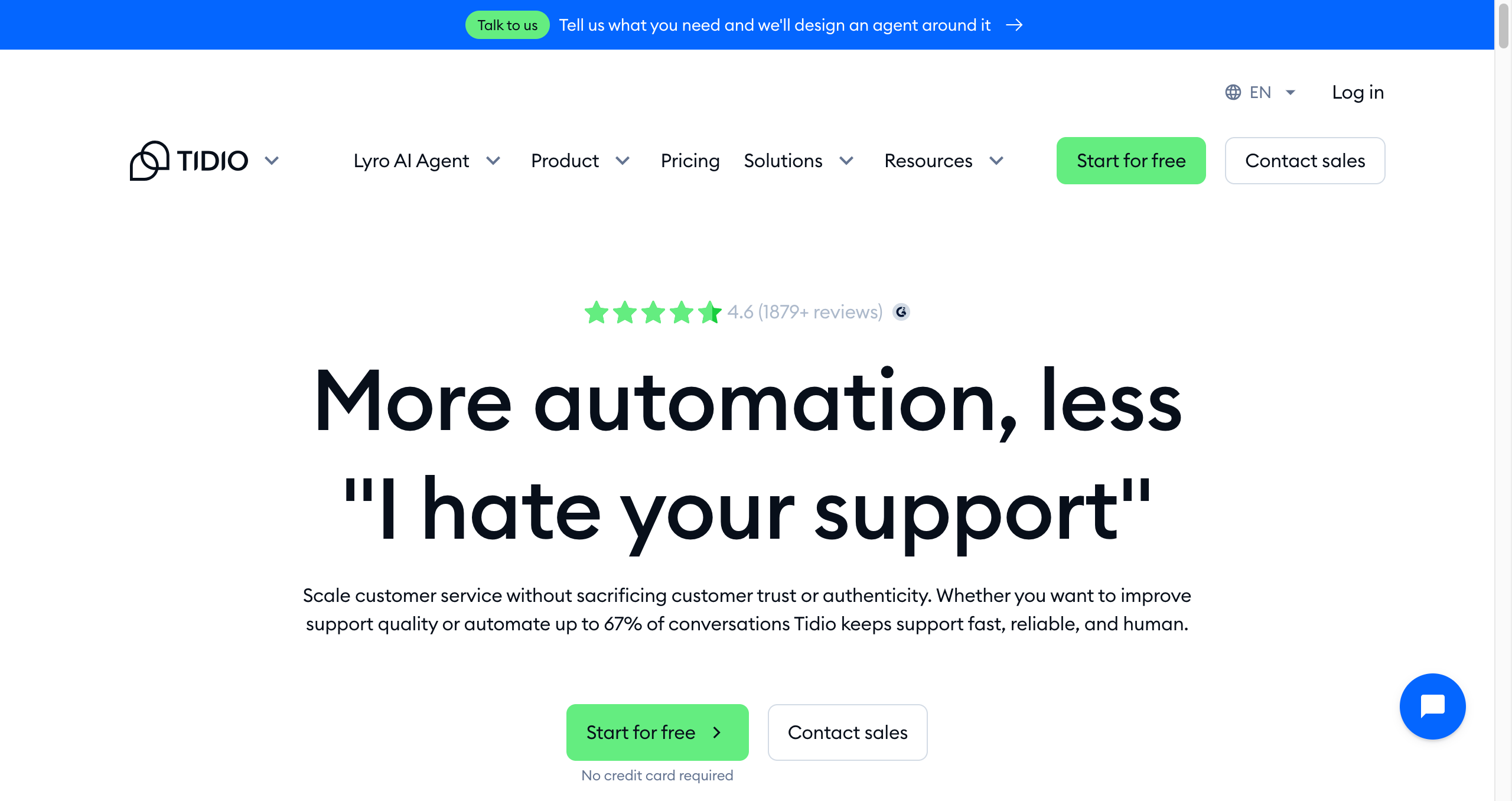
Tidio offers one of the most accessible AI chatbot platforms for growing businesses.
Its Lyro AI assistant can answer frequently asked questions, recommend products and reduce support workloads without requiring significant technical expertise.
Pricing is generally attractive for smaller merchants, making it a popular entry point into AI-powered customer service.
Key features
- AI support assistant
- Live chat
- Ecommerce integrations
- Affordable pricing
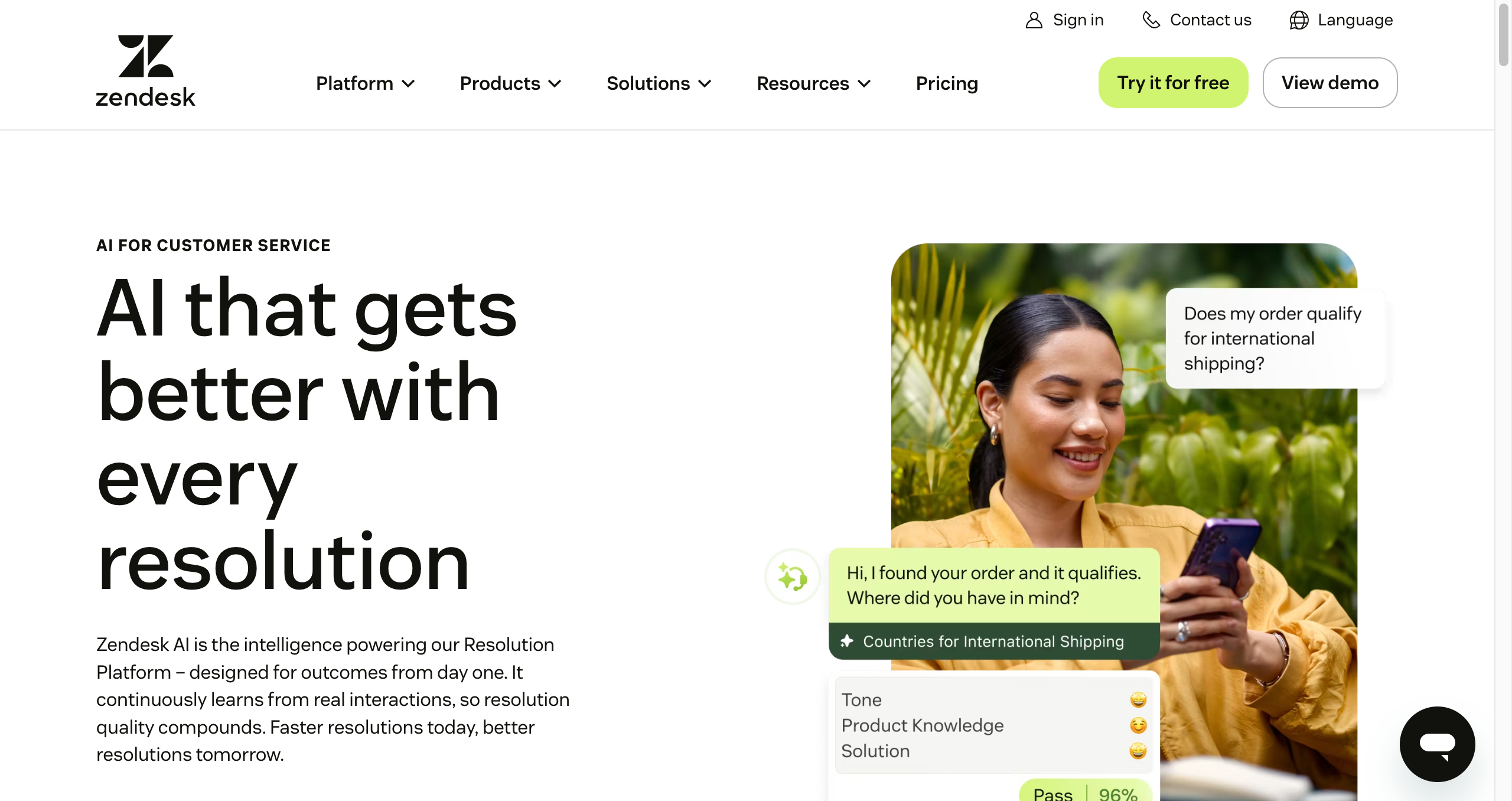
5. Zendesk AI
Best for: Enterprise retailers with large customer service teams.
Zendesk has incorporated generative AI throughout its customer support platform.
While its primary focus remains customer service rather than sales, businesses already running Zendesk can quickly introduce AI-powered conversations without changing platforms.
For larger retailers handling significant support volumes, that makes it a compelling option.
Key features
- AI-powered support
- Enterprise workflows
- Knowledge base integration
- Human escalation
How to Choose an Ecommerce AI Chatbot
When evaluating AI chatbots, it's worth looking beyond whether they can simply answer questions.
Consider:
- Product recommendations: Can the chatbot understand customer intent and recommend relevant products?
- Knowledge quality: How easy is it to train on your catalogue, policies and documentation?
- Integration: Does it connect with Shopify, WooCommerce, Magento or your ecommerce platform?
- Human handoff: Can conversations seamlessly transfer to your support team?
- Analytics: Can you understand which conversations lead to conversions and which end in frustration?
- Customisation: Can you tailor the experience to match your brand?
The best chatbot is one that helps customers complete their journey not one that simply reduces support tickets.
Don't Forget to Measure Performance
Installing an AI chatbot is only the first step. Like any customer experience feature, its success should be measured rather than assumed.
Key metrics include:
- Customer satisfaction
- Conversation resolution rate
- Conversion rate
- Revenue influenced
- Escalation rate
- Abandonment after chatbot interaction
It's also worth understanding how chatbot interactions affect the rest of your customer journey. For example, does the chatbot increase the likelihood that visitors complete key forms or checkouts successfully? Measuring those downstream behaviours helps ensure your chatbot is genuinely improving the user experience rather than simply shifting customer interactions into a different channel.
About the Author
Zuko Analytics
Zuko Analytics is a specialist form analytics and session replay platform that helps organisations understand user behaviour, identify friction and improve conversion across online forms and checkouts. Zuko is operated by Formisimo Ltd.
LinkedIn ProfileWe wrote the book on form optimization!
"The best book on form design ever written - 80 pages of PURE GOLD"

More from our blog:




Want to get started with Zuko?
Start a free trial that includes all features, or request a demo